


 Tier 1 (start here)
 Tier 2
 Tier 3


Automatic Delivery
We show up monthly, so you don’t run out of Bailey's CBD products
CBD Oil For Cats
Pawsitively peaceful, naturally soothing
Veterinarian-formulated for your cat's comfort


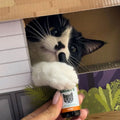


 Supports Wellness
 Inflammation Support
 Cognitive Support
 Organic & Non-GMO Ingredients
 Veterinarian-formulated for your cat's comfort


⭐️⭐️⭐️⭐️⭐️ "Bailey's CBD oil has been a blessing for my aging cats." - Anita B. (Houston, TX)

This product has not been evaluated by the FDA. Not intended to diagnose, treat, or cure any disease. Consult your veterinarian before use. Contains less than .3% THC.



The Challenge


Supports Calm Behavior
Supports a Calm and Relaxed State, Helping Your Cat Stay Balanced.

Natural Ingredients
Made With Premium CBD And Natural Ingredients For Calm Support.

Supports Everyday Comfort
Helps Maintain Physical Comfort And Overall Wellbeing.

Supports Overall Wellness
A Holistic Formula Designed To Support Your Cat's Wellbeing.
The Answer

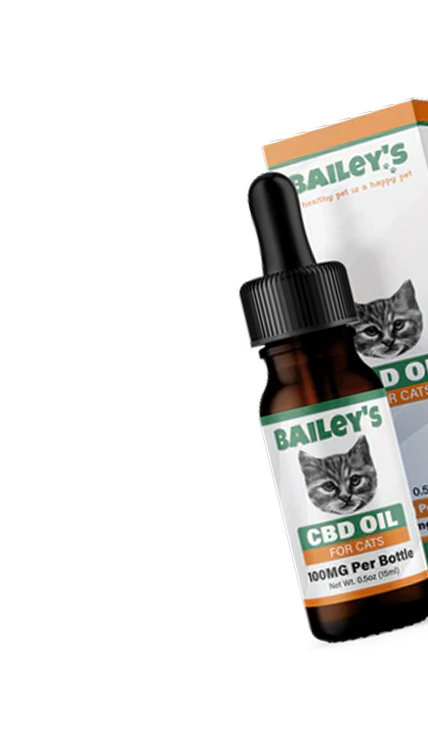
Bailey’s CBD Oil helps support your cat’s calm, comfort, and overall well-being one gentle drop at a time.
Lab testing ensures CBD for pets is pure, safe, and free from harmful substances, protecting them from pesticides, heavy metals, and contaminants. High-quality CBD comes from organically grown hemp in nutrient-rich soil, cultivated in regions like Colorado and Oregon for potency and effectiveness. Without proper testing, residual toxins could pose risks. That’s why Bailey’s CBD rigorously tests every batch to ensure safety, consistency, and top quality for your pet’s well-being.


CBD Oil for Cats
Everything You Need to Know About CBD Oil for Cats. Still Have Questions? Visit Our Help center.
CBD offers multiple potential health benefits for cats, primarily through its interaction with the endocannabinoid system, which plays a crucial role in maintaining bodily balance and health. Some of the key ways CBD may help your cat include:
It's important to understand that while CBD may be beneficial, it is not a cure-all. It should be used as a supplement to your cat's overall health regimen and not as a replacement for veterinary care. Always consult your veterinarian before introducing CBD into your cat's routine, especially if they have existing health conditions or are on medication.
In summary, CBD can be a valuable addition to your cat's health regimen, offering potential relief from inflammation, pain, allergies, and more. However, its use should be guided by veterinary advice to ensure it's tailored to your cat’s specific needs.
The frequency of administering CBD to cats depends on several factors, including the specific reason for using CBD, your cat's size, age, and overall health. As a general guideline, CBD can be given to cats once or twice daily. However, it's important to start with a low dose and observe your cat’s response.
For managing general stress or anxiety, a consistent daily routine may be most effective, ensuring a steady level of CBD in your cat’s system. If you're using CBD for situational anxiety (like during thunderstorms or vet visits), administering it 30-60 minutes before the event can help provide the necessary calm.
The key is to monitor your cat's reaction and adjust the frequency and dosage as needed. Cats are known for their unique metabolisms, so what works for one might not work for another. It’s crucial to consult with your veterinarian before starting CBD, especially if your cat is on other medications or has a health condition. Your vet can provide personalized advice based on your cat's specific needs.
Remember, quality matters. Choose a high-quality, lab-tested CBD product specifically formulated for pets to ensure safety and effectiveness.
CBD oil may have calming properties, and it might help reduce stress and anxiety in cats, which can be factors in inter-cat aggression or tension. However, it's important to understand that CBD oil is not a guaranteed solution for behavioral issues, especially those rooted in complex social dynamics between cats.
If your cats are experiencing tension or aggression, CBD oil may help create a more relaxed environment, potentially making them more amenable to socialization efforts. It works by interacting with the endocannabinoid system in cats, which plays a role in regulating mood and stress responses. By promoting a sense of calm, CBD might help reduce aggressive behaviors triggered by anxiety.
That said, using CBD oil for this purpose should be part of a broader approach that includes environmental enrichment, proper introduction techniques, and, in some cases, behavior modification training. It’s also essential to rule out any medical causes of aggression, as pain or discomfort can lead to increased irritability in cats.
Always start with a low dose of CBD and monitor your cats’ behavior closely. Look for signs of improved interactions but also be aware of any adverse reactions. Consulting with a veterinarian, particularly one experienced in feline behavior, is highly recommended before starting CBD oil as a part of behavior management strategy.
In summary, while CBD oil might assist in creating a calmer atmosphere and potentially improve relations between cats, it should be used as a component of a comprehensive, multi-faceted approach to managing cat behavior.
While it's technically possible to add CBD oil to your cat's water, this method is generally not advisable for a couple of reasons. Firstly, CBD oil is hydrophobic, meaning it does not mix well with water. As a result, the oil will float on the surface rather than blending with the water, making it difficult for your cat to ingest the intended dose consistently.
Secondly, cats are often particular about the taste and smell of their water. The presence of CBD oil might change the water's flavor or scent, potentially discouraging your cat from drinking enough water, which is crucial for their health.
The most effective and recommended way to administer CBD oil to cats is by adding it directly to their food. This can be done by mixing the oil into wet food or drizzling it over dry food. This method ensures that your cat receives the full, consistent dose of CBD with their meal, and it's generally more palatable for them.
If your cat is particularly finicky or if you're having trouble incorporating CBD oil into their diet, consult your veterinarian for alternative methods or suggestions. They can provide tailored advice based on your cat's specific needs and preferences.
When a cat is in heat, they often exhibit restless and agitated behavior, which can be a challenge for both the cat and their owner. CBD, known for its calming properties, may offer some relief during this time. While CBD is not a cure for the hormonal changes and behaviors associated with a cat being in heat, it may help in making them less anxious and more relaxed.
CBD works by interacting with the endocannabinoid system, which plays a significant role in regulating mood and stress responses. In cats in heat, who may be excessively vocal, restless, or show signs of anxiety, CBD oil could help ease these heightened states of agitation.
It's important to use CBD products specifically formulated for pets, like Bailey's CBD Oil for Cats. These products are designed to be safe and effective for feline use. Start with a low dose and observe your cat’s behavior, adjusting as necessary.
However, remember that while CBD may assist in managing symptoms of stress and anxiety, it's not a replacement for comprehensive veterinary care, especially for reproductive health. If your cat’s symptoms are severe or you have concerns about their health, consulting with a veterinarian is essential.
While both humans and cats have an endocannabinoid system, which allows them to potentially benefit from CBD, it's crucial to understand the differences in formulations made for humans and those for cats. Human CBD products often contain concentrations and ingredients that are not suitable for cats.
CBD interacts with the endocannabinoid system to support a normal inflammatory response, mood, and comfort in both cats and humans. However, the safety and efficacy of CBD in cats depend significantly on the product's formulation. CBD products for cats are specifically designed with their size, physiology, and dietary needs in mind. They typically have lower concentrations of CBD and are free from additives that might be harmless to humans but harmful to cats, such as certain essential oils or sweeteners.
While CBD is generally safe for pets, the safest approach is to use a CBD product specifically formulated for cats. Always start with a low dose and observe your cat's reaction. Additionally, if your cat is on medication or has a health condition, consulting with your veterinarian before using CBD is essential. They can provide guidance tailored to your cat’s specific needs and health profile.
In summary, while human CBD might not be inherently harmful to cats, it's not the optimal choice. For the safety and well-being of your feline friend, it's best to choose CBD products specifically designed for cats.
The stance of veterinarians on recommending CBD for cats is evolving, particularly in light of legal changes in some areas. For instance, in California, thanks to Assembly Bill 1885 (AB1885), veterinarians can now legally discuss and even recommend cannabinoid products for pets. This is a significant shift, as detailed in an informative article by Bailey’s CBD: Cali Vets Can Now Discuss and Recommend Cannabinoid Products for Pets.
While the therapeutic use of CBD for pets, including cats, has gained widespread acceptance, veterinarians were previously limited by law in their ability to explicitly recommend CBD products. This is due to the lack of formal FDA approval and regulation of CBD, despite growing anecdotal evidence and emerging research on its benefits and safety for pets.
However, with legislative changes like AB1885, veterinarians in some states are now able to provide more direct guidance and recommendations regarding CBD. This development reflects the growing acknowledgment of CBD’s potential benefits in the veterinary community.
If you are considering CBD for your cat, it’s important to engage in a conversation with your veterinarian. They can provide updated guidance based on the latest research, your cat’s specific health situation, and regulatory changes. Additionally, always opt for CBD products specifically formulated for cats to ensure safety and appropriate dosing.
In summary, while direct recommendations from veterinarians may have been limited in the past, changes in legislation, like in California, are allowing for more open discussions and recommendations of CBD for pets. Consultation with your vet, especially in states where such discussions are legally permitted, can offer valuable insights for your cat's wellness journey.
While CBD is generally well-tolerated by cats, there are potential side effects to be aware of. It's important to monitor your cat for any changes after starting CBD. The most common side effects include:
These side effects are typically mild and often resolve by adjusting the dosage. However, if you observe any of these symptoms, it's advisable to reduce the dosage or discontinue use and consult your veterinarian. Always start with a low dose of CBD and gradually increase it while closely monitoring your cat’s response.
In summary, being aware of and responsive to potential side effects is key to safely incorporating CBD into your cat’s wellness routine. Regular observation and consultation with your veterinarian can help ensure that CBD provides the desired benefits without adverse effects.
CBD has shown potential in providing relief for various ailments in cats due to its anti-inflammatory properties. While research in this area is still evolving, many cat owners and some preliminary studies suggest that CBD may be beneficial in:
It's important to note that while anecdotal evidence is promising, CBD should not be seen as a cure-all. Its effectiveness can vary from cat to cat, and it should be used as part of a comprehensive wellness plan. Always consult your veterinarian before starting any new supplement, including CBD, to ensure it's suitable for your cat’s specific health needs.
In summary, CBD may offer benefits for cats, particularly in managing pain, inflammation, and supporting overall well-being. However, its use should be approached with careful consideration and under the guidance of a veterinary professional.
The duration of CBD's effects in cats typically lasts 4-6 hours. However, it's essential to remember that each cat is unique, and various factors can influence how long they experience the benefits of CBD. These factors include:
While the general window is 4-6 hours, monitoring your cat's response to CBD is important for understanding how it works for them specifically. Always consult with a veterinarian when considering CBD for your cat, especially if they have health issues or are on other medications.
In summary, while the effects of CBD in cats generally last for several hours, individual factors play a significant role in determining the exact duration. Careful observation and veterinary guidance are key to optimizing CBD's benefits for your cat.
Administering CBD daily to cats may be safe and beneficial, particularly for those with chronic conditions or ongoing stress. However, the decision to use CBD every day should be based on:
In summary, while daily CBD use may be safe and beneficial for cats, it should be tailored to each cat's specific needs and health profile. Regular monitoring and veterinary consultation are crucial to ensure the safety and effectiveness of the CBD regimen.
Giving your cat too much CBD can potentially lead to adverse effects, although serious complications are rare. It’s important to be aware of the possible side effects and to use CBD responsibly. Some of the signs to watch for include:
To avoid these issues, it's crucial to start with a low dose of CBD and gradually increase it while closely monitoring your cat's response. The right dosage can vary based on your cat's size, age, and overall health. Always consult with your veterinarian before starting your cat on CBD, especially if they have existing health issues or are on medication.
In summary, while CBD is generally safe for cats when used correctly, administering too much can lead to adverse effects. Careful dosing and veterinary guidance are essential to ensure your cat’s safety and well-being.
CBD is known for its calming properties, but it's important to clarify that it does not act as a sedative in the traditional sense. Instead, CBD may help to gently calm your cat, reducing stress and anxiety without causing sedation. This makes it a potential aid for situations like:
While CBD won’t sedate your cat, it's essential to use the correct dosage to achieve the desired calming effect without any adverse reactions. Start with a low dose and observe your cat's behavior, adjusting as necessary. Always consult with your veterinarian before introducing CBD into your cat's routine, especially if they have existing health conditions or are on other medications.
In summary, CBD may help calm your cat without causing sedation, making it a potential tool for managing stress and anxiety in various situations. Proper dosing and veterinary guidance are key to ensuring a safe and positive experience for your cat.
Determining the right CBD dosage to relax a cat can vary based on individual factors like size, age, and the specific issues being addressed. A general guideline is to start with 2-4 mg of CBD per 10 pounds of cat weight. This initial dosage can be adjusted based on how your cat responds.
For cats with more challenging conditions or higher levels of anxiety, a higher dosage may be necessary. However, it’s important to start small and gradually increase the dosage to find the optimal amount that provides relaxation without any adverse effects.
Additionally, using a full-spectrum CBD oil that's lab-tested and contains less than 0.3% THC content is often recommended. Full-spectrum oils contain a range of cannabinoids and terpenes that work together, potentially enhancing the therapeutic effects of CBD, a phenomenon known as the “entourage effect.”
Remember, every cat is unique, and what works for one may not work for another. It’s crucial to closely monitor your cat's reaction to CBD and consult with your veterinarian, especially when starting a new supplement or if your cat has existing health issues.
In summary, the appropriate CBD dosage for relaxing a cat should be tailored to their specific needs, starting with a conservative dose and gradually increasing as needed. Opting for high-quality, full-spectrum CBD oil ensures a safe and potentially more effective experience for your feline friend.
CBD, known for its calming properties, may help in mitigating aggressive behaviors in cats. While scientific research on this specific application is still in its infancy, there is growing anecdotal evidence suggesting its potential benefits. Cat owners have reported that:
It’s important to note that aggression in cats can stem from various sources, including medical issues, environmental stressors, or behavioral problems. Therefore, while CBD might assist in calming an aggressive cat, it should be used as part of a holistic approach that includes veterinary consultation and, potentially, behavior modification strategies.
Always start with a low dosage of CBD and closely monitor your cat’s reaction. Adjustments can be made based on their response. Before introducing CBD as a solution for aggression, it is crucial to consult with a veterinarian to rule out any medical causes of the aggressive behavior and to ensure the safety and suitability of CBD for your cat.
In summary, CBD may help in calming an aggressive cat by addressing stress and anxiety, but it should be used responsibly and as part of a comprehensive approach to behavior management.
Automatic Delivery
We show up monthly, so you don’t run out of Bailey's CBD products
Save 15-30% on Every Order
Instant savings for supporting your pet’s proactive wellness!
Control your delivery date
Tell us when you need your order, and we’ll be there
Free, easy cancellation
Cancel online at any time – no strings attached, ever
30-day Money Back Guarantee
No if’s, and’s or but’s.
Join the pack
Maximizing your pets health is easier when you subscribe & save
These products have not been evaluated by the FDA and are not intended to diagnose, treat, cure, or prevent any disease.
Discover Bailey's World Famous...
Visit our help center to answer any questions as well.
 Get The App

 Call
Call
 Email
Email